

Data. Impact. Future.
Data and artificial intelligence already are central to development cooperation and will play a major role in the future of GIZ. Last week’s Data. Impact. Future. event week at GIZ, was an impressive demonstration of how GIZ is already incorporating data and AI and how the entire data program is being reinvented to pay tribute to these changes. The week was filled with lively discussions, interesting demonstrations from around the world and thought-provoking panels, that left us enthusiastic and full of ideas for the coming year and with a renewed commitment to become data-competent.
In four interesting online sessions, more than 2,400 colleagues from around the world came together to gain insights into data-based solutions from projects and partner organizations. From chatbots supporting farmers, to the use of geodata to monitor deforestation, to modular monitoring approaches: data and AI have long been an integral part of our daily work.
The live event – Voices and Vision- in Eschborn was the grand finale. The diverse program gave employees of GIZ and guests from other organisations the opportunity to discover the wide range of ways in which data-driven approaches are already being applied, gain insights into how GIZ is positioning itself internationally in data and AI, and learn from external experts how digital transformation can be actively shaped – strategically and responsibly.
Lively discussions with renowned international speakers Carrie Stokes (formerly USAID), Becky Atkins (World Resources Institute), Frederike Kaltheuner (technology expert) and Steve MacFeely (OECD) revealed the diverse ways in which data-based approaches are used – and the questions that accompany us and still lie ahead.
The Data Lab was happy to contribute with an input on the “exploit and explore” approach in the development of data tools by Catherine Vogel, emphasizing the importance of balancing immediate application with long-term innovation.
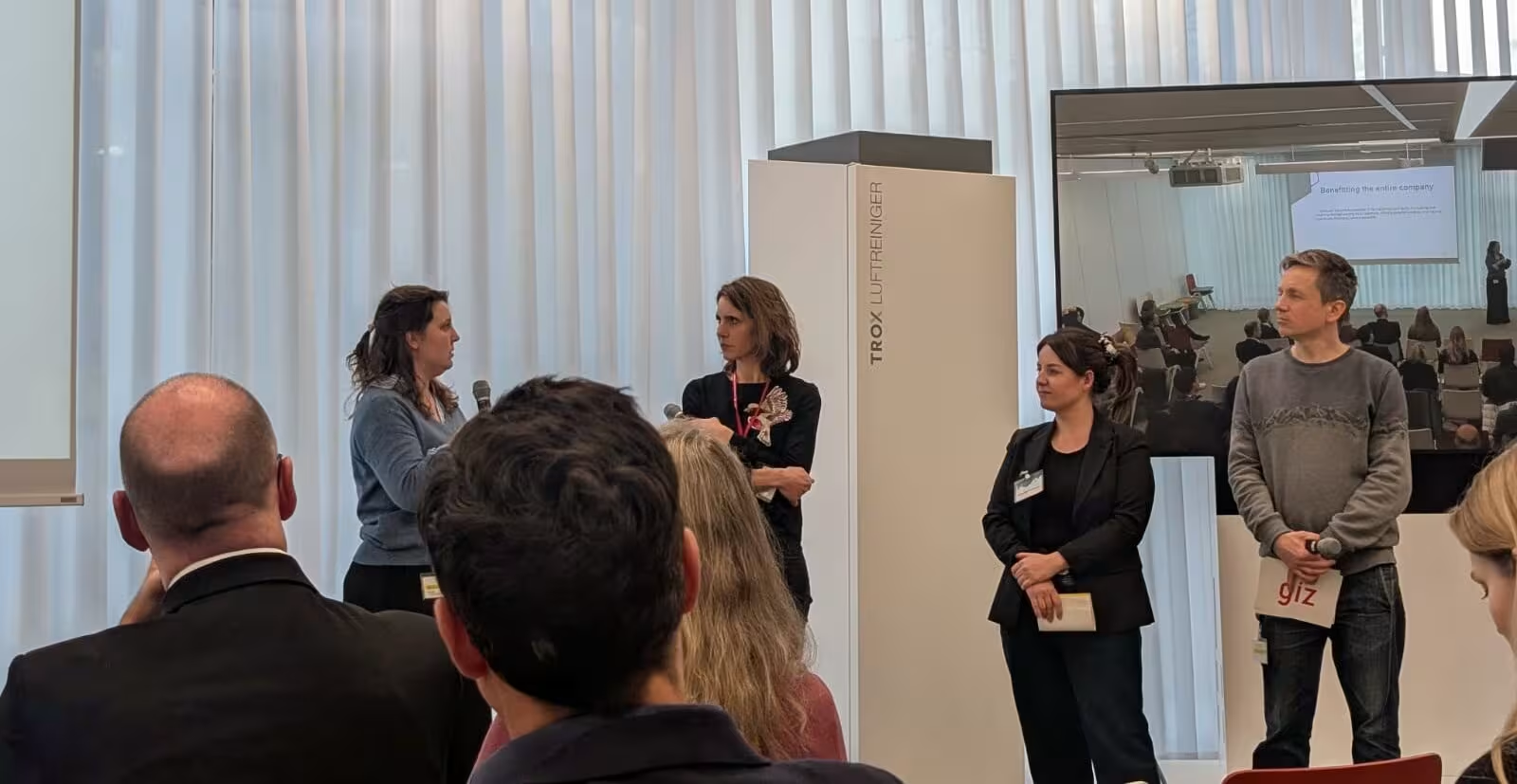
A key conclusion from the week: a data-competent organisation needs a vision, trust, responsibilities, competencies and the ability to translate data into decisions – even in decentralised structures such as ours at GIZ.
The discussions made it clear that the GIZ is already well on the way. Initiatives such as the Data Lab, which has been providing space for experimentation and innovation for several years, and the Data Service Center, which develops data-based products and services for projects and partners, are key building blocks in this process.
A big thank you goes to the organizing team, the numerous colleagues from the projects and our international speakers who contributed their perspectives and experiences. Data. Impact. Future. was an important step on our joint data journey and a strong signal of how much potential already exists in our organization today.


